


Preparing well for your immersion trip to the Philippines
First of all, to find out when to go to the Philippines, click here
Visa and entry to the Philippines
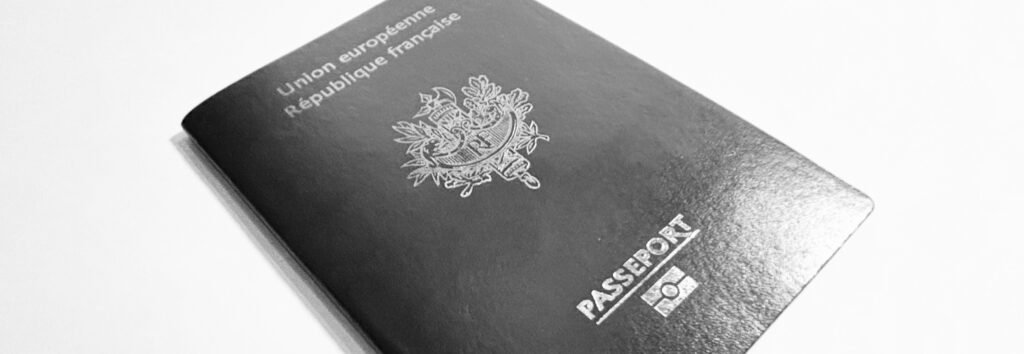
For a stay in the Philippines of less than 30 days, no visa is required for British or French nationals. You simply need to show a passport valid for at least six months after your return date, as well as a return or onward ticket. On arrival, you will be given a free entry stamp valid for 29 days. This stay can be extended locally if necessary, by applying to the local immigration services.
Don’t forget to log in and register on eTravel 72 hours before your arrival: eTravel
In short
- Visa : not required for British or French nationals for stays of less than 30 days,
- Documents required : a return ticket – passport valid for six months
- Registration – eTravel
Health and vaccinations
No vaccinations are compulsory to enter the Philippines, but a few precautions will help you travel with peace of mind. It is strongly advised to be up to date with routine vaccinations, such as tetanus, diphtheria, polio and measles.
If you are planning an extended stay, or time in rural areas, vaccinations against hepatitis A and B, typhoid and rabies may be recommended by your doctor.
As for local diseases, dengue occurs sporadically. Malaria is rare, if not non-existent, on the island of Biliran. In any case, using insect repellent on your skin is advisable – for walks as well as for peaceful nights.
In short
- Compulsory vaccinations: None
- Recommended vaccinations: Hepatitis A and B, typhoid, rabies (for extended or rural stays)
- Precautions: Mosquito repellent essential (dengue possible, no malaria on Biliran)
Wildlife and plants
Philippine nature is extraordinarily rich, but it calls for a little care. Dangerous encounters are exceptional, especially on Biliran, but it is best to stay alert on your hikes: don’t touch unfamiliar animals, and follow your hosts’ advice.
Underwater, a mask, snorkel and fins will let you discover an incredible marine world. They are hard to come by locally, so remember to slip them into your suitcase. The seabed around Biliran is splendid.
Finally, the natural heritage is protected. Don’t take any sand, shells or coral: checks at Tacloban airport are strict, and the fines are steep. Respecting nature also means preserving the island for future visitors.
In short
- Caution: Don’t touch animals; follow local advice
- Recommended equipment: Mask, snorkel, fins – hard to find locally
- Protecting the environment: Don’t take anything (sand, shells…) – checks and fines at the airport
- Want to know more? This way!

Packing your suitcase
A stay in the Philippines calls for little luggage, but a bit of common sense. The tropical climate means you should favour light, breathable, easy-to-wash clothes. A hat, sunglasses and sun cream are essential.
Filipinos are fairly modest: they often swim clothed, in T-shirts and shorts. An ordinary swimsuit is perfectly acceptable, but avoid overly revealing outfits, such as thongs, which are frowned upon outside tourist areas.
On the practical side: a good pair of walking shoes, a light raincoat for sudden showers and, above all, a pair of flip-flops – the national footwear. Finally, remember to bring an adaptor for your devices: some sockets may be different.
In short
- Clothing: Light, loose, suited to the sun – swimwear yes, but modest
- Essentials: Comfortable shoes, raincoat, flip-flops
- Electricity: Bring a plug adaptor if needed

Food and drink
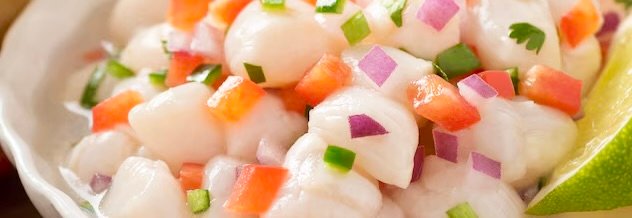
Filipino cuisine is simple, generous and often surprising. It blends Chinese, Spanish and Malay influences, with an almost constant base of rice, served with fish, meat or vegetables. Get ready to taste adobo, sinigang or the famous lechon baboy, roasted whole for special occasions. Tropical fruit, plentiful and delicious, will delight lovers of natural sweetness.
Tap water, however, is not drinkable. Your host family will provide you with filtered or bottled water, which is always available in local shops.
In short
- Local food: Rice, fish, meat, tropical fruit – try adobo, lechon, sinigang
- Drinks: Avoid tap water – choose bottled or filtered water
Convinced?