Geography of the Philippines: an archipelago of a thousand faces
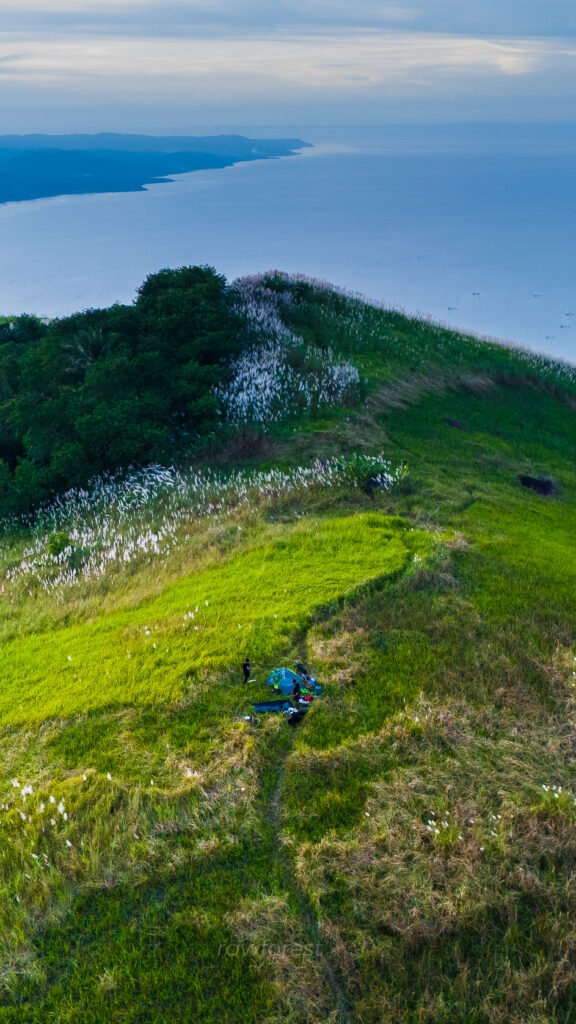
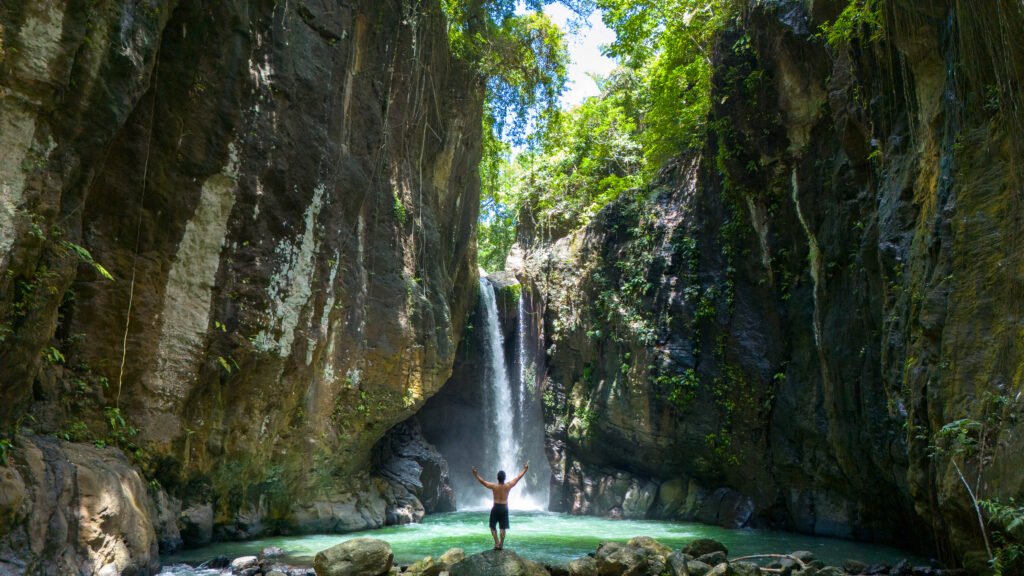
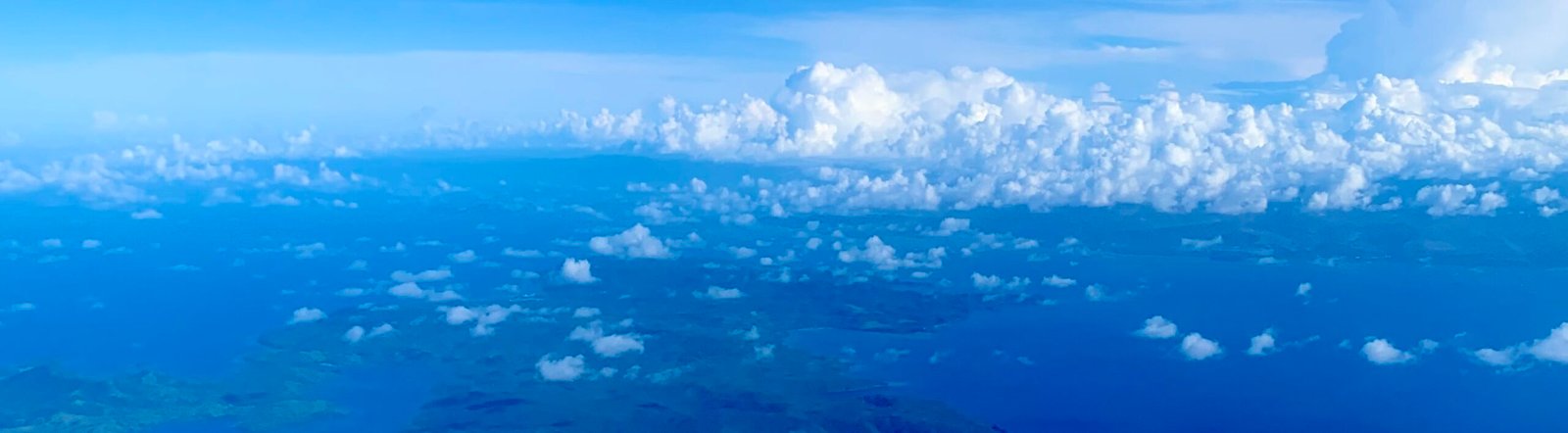
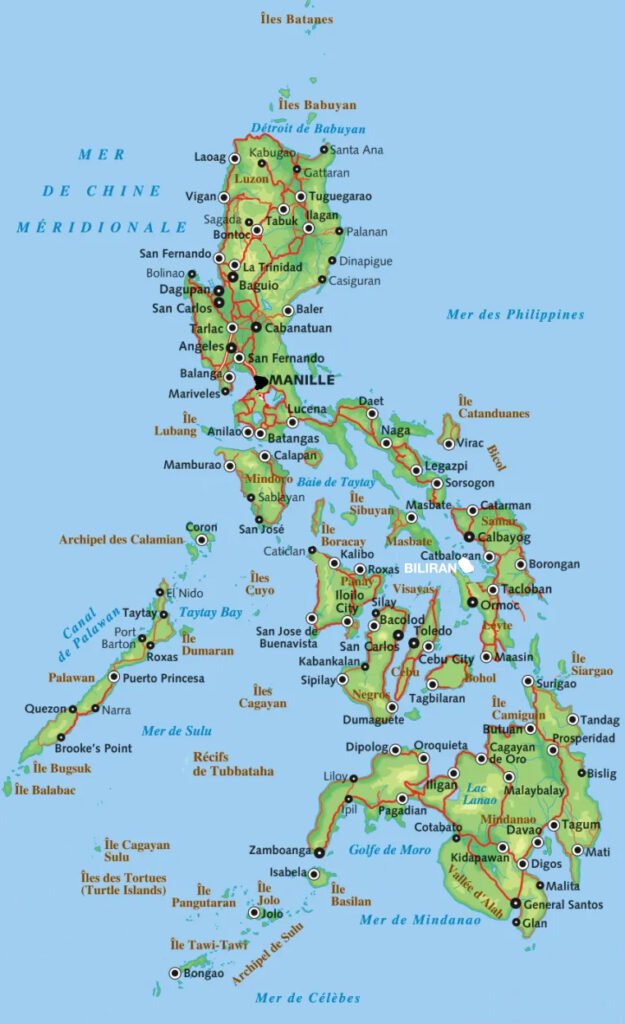
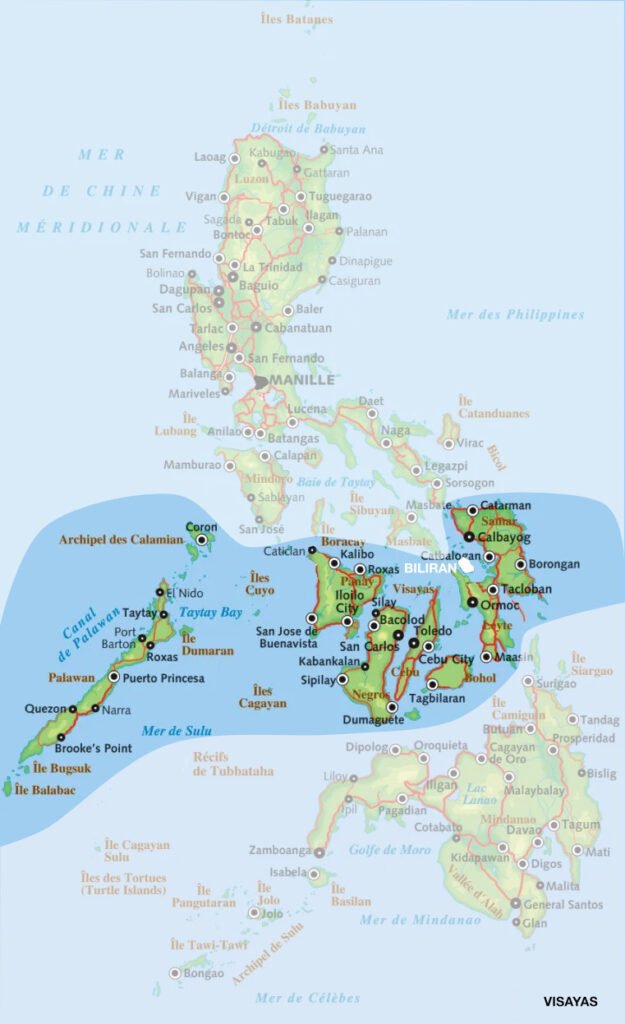
The Philippines, in South-East Asia, comprises more than 7,600 islands spread between the South China Sea and the Pacific Ocean. The archipelago is divided into three main regions: Luzon in the north, Mindanao in the south and the Visayas in the centre. It is in the Visayas that you will find the island of Biliran, a still little-known gem of the Philippines. With its terraced rice fields, wild beaches and waterfalls, Biliran embodies the natural beauty of a volcanic island still untouched by mass tourism.
Understanding the Philippines through its colonial history
The history of the Philippines has been shaped by foreign influences: three centuries of Spanish colonisation, followed by American rule in the 20th century. Spain introduced Catholicism, Hispanic names and colonial architecture still visible today. Then came the United States, which left its mark on the country through the use of English and a modernised school system.
Since independence in 1946, the Philippines has been a young democracy, now influenced by China’s economic power. Despite these successive waves, Filipinos remain deeply welcoming, shaped by a culture of generosity and adaptability.
The Visayas: Malay roots and a living culture
At the heart of the Philippines, the Visayas reveal a discreet but deep Malay heritage. The very name of the region, like that of its villages – the barangays – evokes ancient seafaring origins: in the past, barangay meant a boat. Today, each barangay is led by a captain, carrying on the community spirit inherited from the Malay seafarers.
On Biliran, this memory can be read in the language, the customs and the social ties: a strong cultural anchoring, shaped long before the arrival of the colonisers.
The first peoples of the Philippines: an invisible but precious heritage
The archipelago is also home to ancient indigenous peoples, such as the Aetas. Present long before the Malay, Spanish or American influences, they still live in remote areas, away from the modern world.
Small stature, dark skin, tightly curled hair: their appearance reflects another, older, more discreet history. Their way of life close to nature, their rituals and their ancestral wisdom bear witness to the human diversity of the Philippines – a richness often forgotten, but essential to understanding the soul of the country.
The climate in a few words
Two monsoons shape the year in the Philippines: the Amihan, a north-easterly wind, generally blows from November to April; the Habagat, a south-westerly wind, from May to October. In between, the transition periods often bring very good conditions. On Biliran, the weather varies from year to year: our page When to go to the Philippines details it month by month. Write to us so that we can choose the right time for you together.