

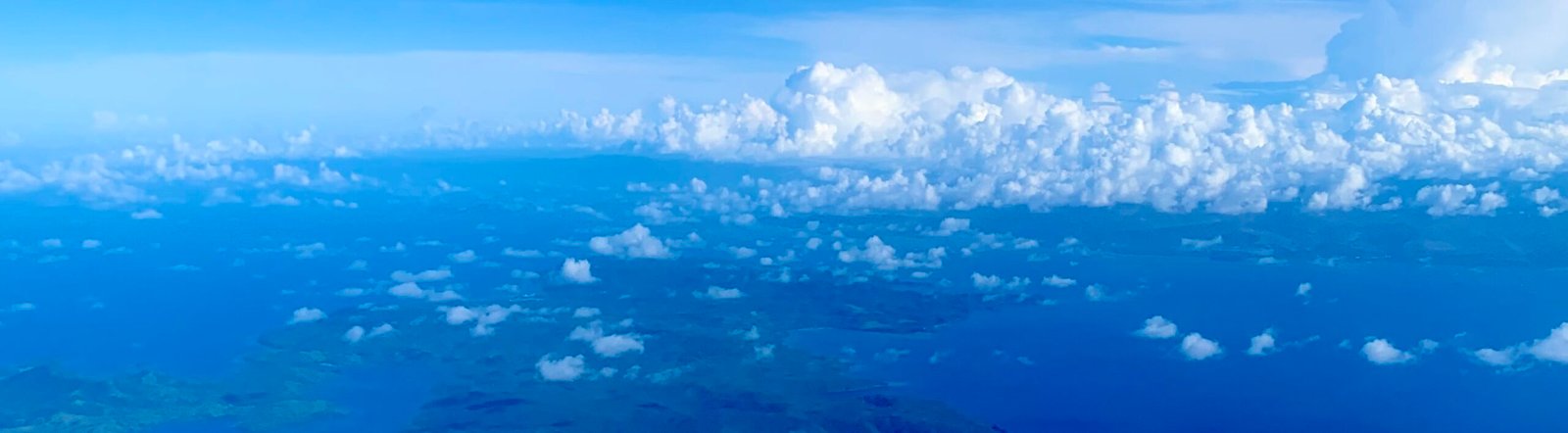
The Philippines captures the imagination with the diversity of its islands, the beauty of its landscapes and the promise of a complete change of scene.
Palawan, El Nido, Cebu, Bohol and Siargao have become must-see stops on many trips.
The Philippines: what to see, where to go and how to travel differently
But travelling in the Philippines today also raises questions.
Questions about concentrated tourism, environmental impact, the place left for local people, and the meaning we give to our travels.
This page is not meant to rank the most beautiful islands.
It offers another perspective, for those who want to understand before choosing.
The Philippines’ iconic destinations
Palawan, El Nido, Coron, Cebu, Bohol and Siargao are among the destinations most promoted in guidebooks and on social media.
These places offer spectacular scenery, turquoise lagoons, white sandy beaches and a wide range of activities.
They naturally feature in many itineraries, especially on a first trip to the Philippines.
What these places offer… and what they no longer always offer
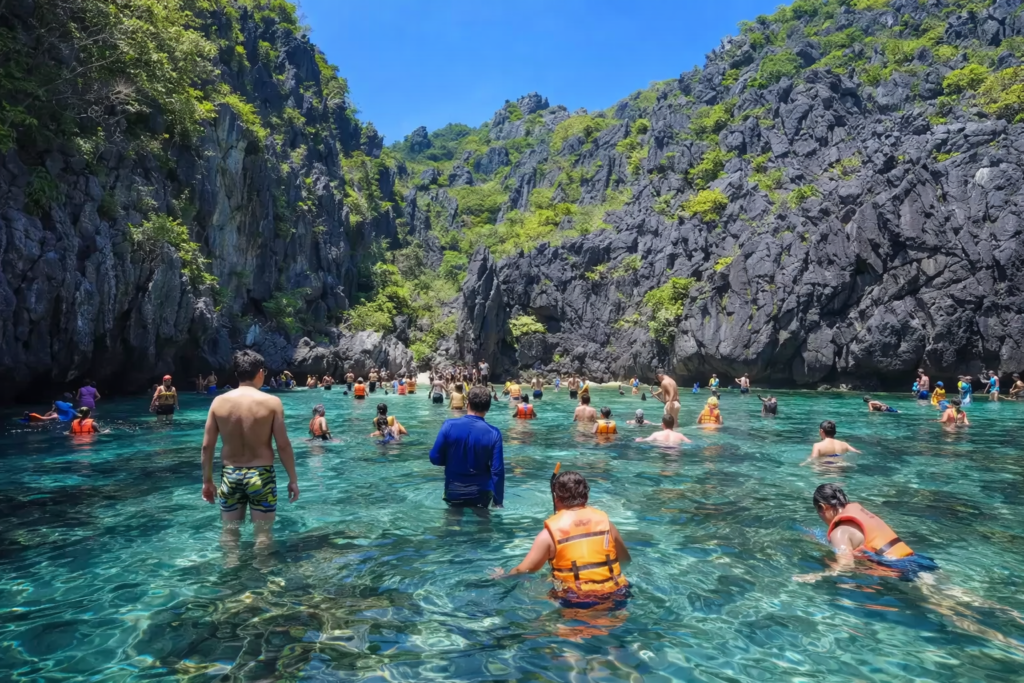
Undeniable beauty, but growing crowds
The popularity of these destinations has led to a heavy concentration of tourism.
In some areas, queues for excursions, the growing number of boats and rapid urbanisation have profoundly changed the travel experience.
This takes nothing away from the beauty of the landscapes, but it changes the way they are experienced.
Tourist practices that raise questions
Some attractions presented as natural or ethical now rely on questionable practices.
Wildlife watching, for example, can involve feeding or staging that alters animal behaviour.
In other cases, the rapid development of hotel infrastructure raises questions about waste management, pressure on resources and long-term environmental impact.
Travelling in the Philippines is more than a list of spots
Many travellers come home with magnificent pictures, but also with the feeling of having passed through places without really understanding them.
Seeing a country is not always the same as living it.
And as their itinerary unfolds, some feel the need for a different pace: slower, more human, less spectacular.
Homestay immersion: another way to travel
A pause in the heart of everyday life
Choosing a homestay immersion means stepping out of the usual tourist rhythm.
It is no longer about stringing activities together, but about sharing daily life, meals and simple exchanges, sometimes silent ones.
This way of travelling does not replace the other stages of a trip to the Philippines.
It often fits in as a pause, in the middle or at the end of a wider journey.
But in practical terms, what is a homestay immersion ?
An experience that is not for everyone
Immersion calls for openness, adaptability and a willingness to be surprised.
There is no fixed programme, no staging, no promise of standardised comfort.
It is a deliberate choice, for those looking for something more than a backdrop.
Biliran: an island on a human scale, off the beaten track
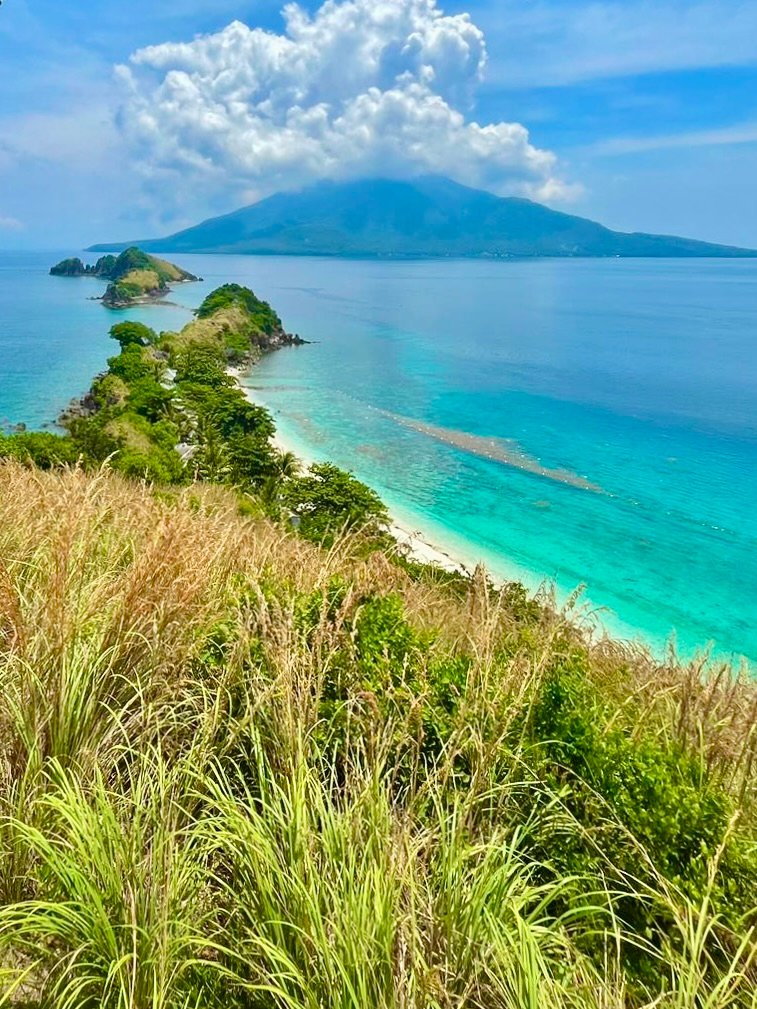
Biliran is a small island in the Visayas, still largely untouched by mass tourism.
There are no large resort complexes, no industrialised excursions, no influx of international visitors.
It is a rural, lively place where human relationships remain at the heart of daily life.
A setting well suited to immersion, without being cut off from the rest of the country.

Chez Mamang: an immersion that fits into your trip
Chez Mamang offers homestay immersion stays on Biliran, designed as an experience that complements a wider trip to the Philippines.
The travellers who come to us do not give up the country’s iconic sites.
They simply choose to add a different kind of time, to understand the Philippines from the inside, through a real and lasting human connection.
It is another way to travel. Slower, simpler, more committed.
And deliberately limited.
–Understanding the budget and what it includes–